“Just Fucking End It!”: Walkouts over Forced Overtime
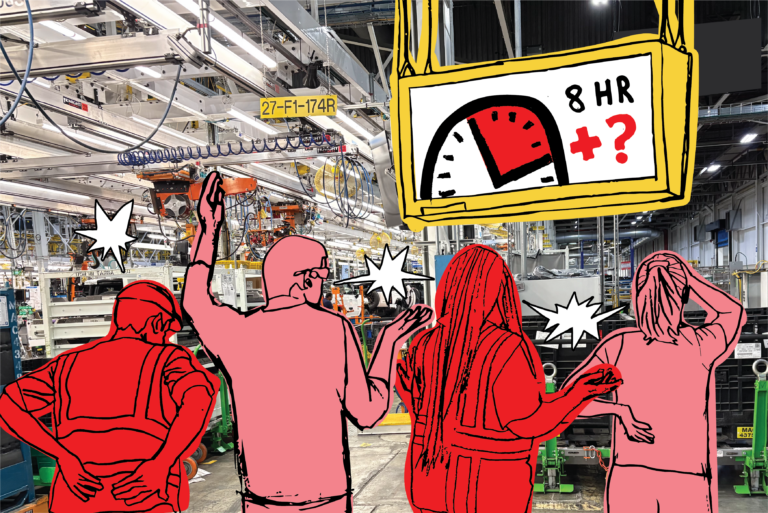
Workers are walking out at non-union Toyota plants in Alabama in response to forced overtime and rotating shifts. Can the fight to take back our time be a lightning rod for union campaigns?
Stellantis is shutting down its Brampton, Ontario, plant, devastating a Canadian community while saying it is sending jobs to the U.S. Instead of enabling Stellantis to execute on its whipsawing playbook, UAW leadership and U.S. autoworkers should unite with Unifor and Canadian autoworkers. Our union should be promoting a class struggle strategy of resisting plant closures by exerting control over production and building cross-border worker solidarity.
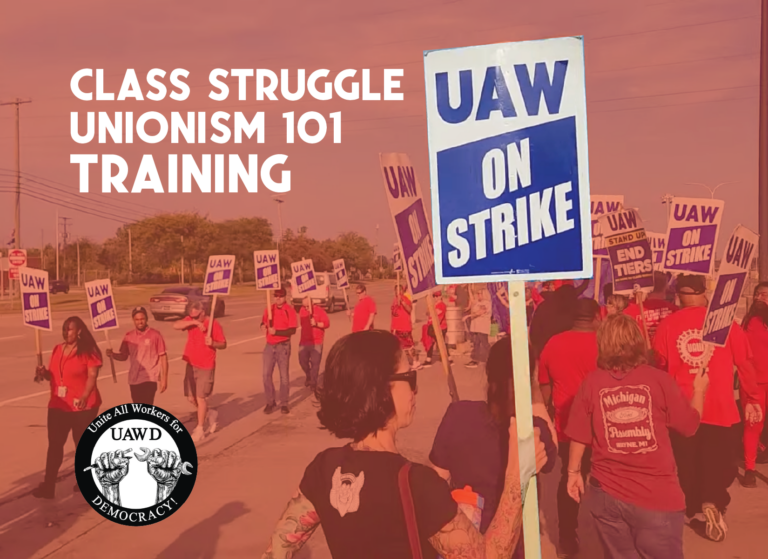
UAW members from across sectors came together for UAWD’s Class Struggle Unionism 101 Training, sharing concrete tactics and examples of how they’ve been used to build power on the shop floor, escalate fights, and take on the bosses and capitalist class.
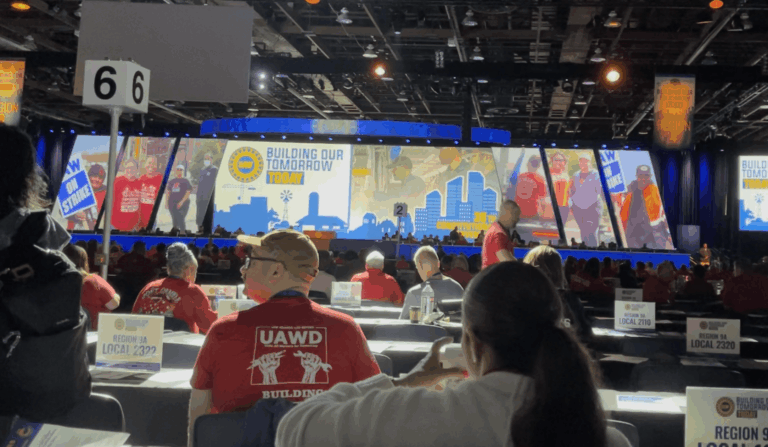
The UAWD Steering Committee shares a political analysis of the 2022 Constitutional Convention, our lessons learned in the ensuing years of organizing within the UAW, and UAWD’s membership-approved program for the 2026 ConCon. UAWD is encouraging UAW members across the country to bring the program to their locals to show their coworkers how we can chart a new path of class struggle unionism beyond the confines of the Convention floor in June.
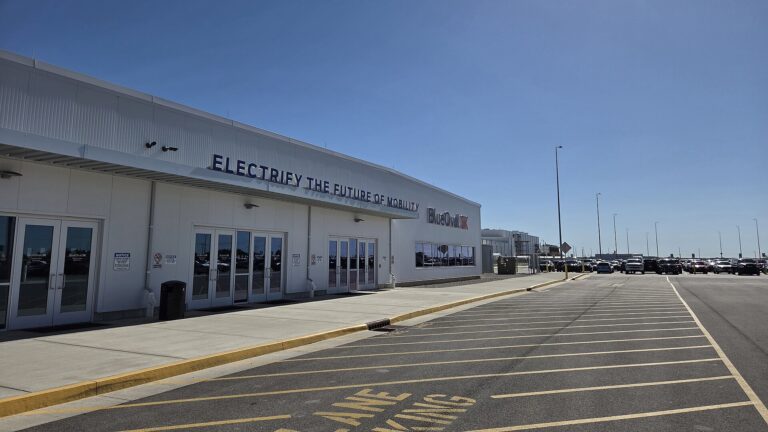
Workers at BlueOval SK, who recently unionized with UAW, lost their jobs in February as the joint venture between Ford and Korean battery manufacturer SK On was dissolved and as Ford pivots from EV battery to energy storage manufacturing. UAW members can build the capacity to challenge plant closures through a sectoral strategy that combats whipsawing and enables workers to fight for one another.
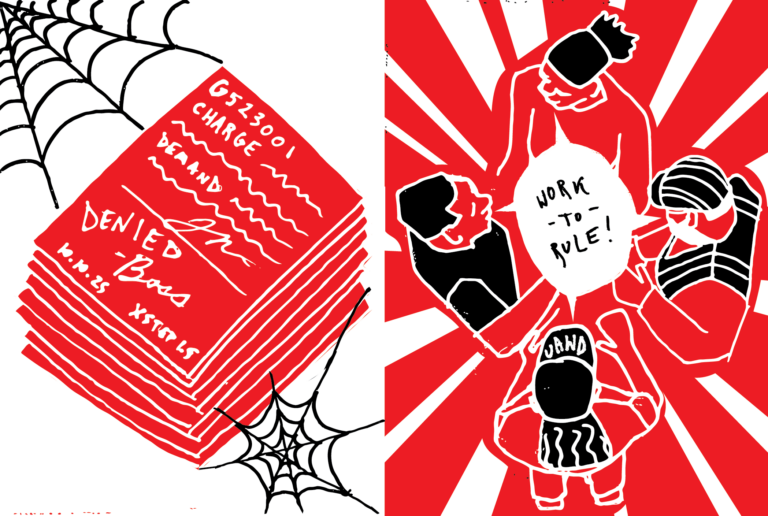
It’s time for the labor movement to stop glorifying the grievance procedure and start understanding its role in pacifying the rank and file. Union members need to take grievances out of the office and onto the shop floor, using them as just one tactic in a larger strategy for workers to exert more control on the shop floor.
Layoffs are devastating to us as workers, but we’re trained to think of them as inevitable or even “natural.” If we understand the corporate profit-seeking that drives layoffs, we can fight for our jobs.
The recent large-scale layoffs across General Motors plants and beyond are raising questions for workers everywhere. We can accept the boom-and-bust corporate logic of the auto industry, or workers can fight to win real layoff protections and control over how reductions in work are carried out, by collectively deciding how we share remaining work.
As the rural working class is being exploited for profit through predatory tactics that decimate rural communities, some rural workers have built rank-and-file power to mount militant strikes that span rural facilities across the country. A class struggle vision would move beyond simply organizing new shops and narrowly fighting for bread-and-butter issues, expanding demands to fight whipsawing and address brutal workplace conditions by giving workers more control over the shop floor.
A shorter work week with no cut in pay: an idea whose time has come. With everyone working fewer hours, there would be more jobs.